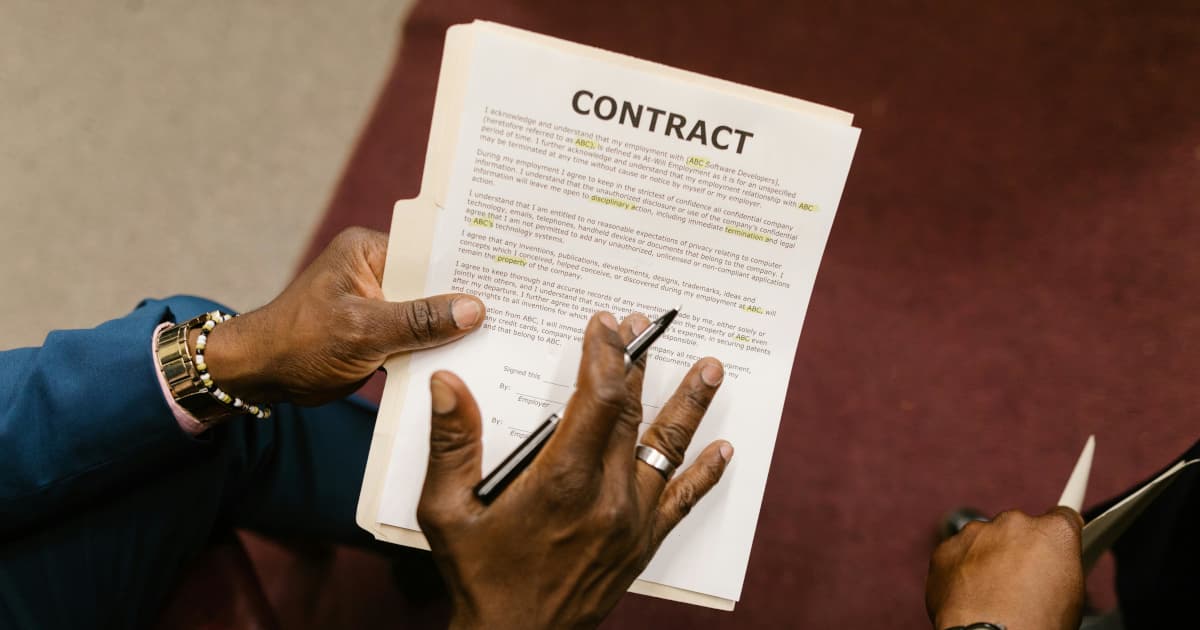
Probation provides convicted individuals the opportunity to serve their sentence under community supervision rather than incarceration, but this freedom comes with strict court-imposed conditions. Violating these conditions triggers a Violation of Probation (VOP) process in D.C. Superior Court that carries serious risk of imprisonment. Understanding this legal procedure represents the initial step toward mounting an effective defense against potential revocation.
VOPs are categorized by severity, though any violation can result in revocation. Technical violations involve failures to comply with administrative requirements such as failing drug or alcohol tests, missing meetings with probation officers, failing to complete court-ordered community service or treatment programs, or violating curfews and travel restrictions. Substantive violations, also called new law violations, are more serious and involve being arrested for or convicted of new criminal offenses while on probation, with new arrests immediately triggering the VOP process.
The process begins when supervising agencies like the Court Services and Offender Supervision Agency (CSOSA) for adult felonies and supervised release files a Violation Report or Petition with D.C. Superior Court. Judges reviewing allegations typically issue either a summons for less urgent technical violations requiring court appearance on a specific date, or a bench warrant for serious violations like new crimes or absconding that orders immediate arrest and detention pending hearing.
VOP hearings occur before judges without juries, with significantly lower prosecution burden of proof than criminal trials. If arrested on a VOP warrant, probationers receive a preliminary hearing before a Magistrate Judge within approximately 24 hours to determine probable cause for the violation and whether detention or release pending final hearing is appropriate. The final revocation hearing represents the main proceeding where judges determine guilt and consequences.
Key differences from criminal trials include the absence of juries with judges serving as fact-finders, the government needing only to prove violations by preponderance of evidence rather than beyond reasonable doubt, more relaxed evidence rules allowing hearsay admissibility, and probationer rights including written notice of alleged violations, evidence disclosure, opportunity to present evidence and call witnesses, and right to counsel.
Judges possess wide discretion in determining appropriate responses to violation findings, ranging from minor adjustments to full revocation. Options include continuation or modification through verbal warnings, extended probation terms, or additional conditions like stricter curfews, extra drug testing, or mandatory treatment programs. Moderate responses involve short-term incarceration of 15 to 45 days for technical violations followed by probation reinstatement. The most severe outcome involves complete probation revocation with defendants ordered to serve all or portions of original suspended jail or prison sentences, potentially facing sentencing for both VOP and new offenses if violations involved new crimes.
Given the lower burden of proof and potential reinstatement of original sentences, facing VOP hearings requires experienced legal representation. Defense attorneys from firms like Hierophant Law can challenge allegation validity, argue mitigating circumstances like medical reasons or condition confusion, and advocate for least restrictive outcomes such as alternative treatment plans instead of incarceration, aiming to maintain individuals in community settings on rehabilitation paths.